Seasonal & Festive Thanksgiving Herb Stuffed Turkey
Highlighted under: Festive Comfort Classics
I absolutely love preparing a Thanksgiving feast, and this herb stuffed turkey is always the centerpiece of my celebrations. Every year, I experiment with different herb blends and stuffing recipes, but this combination of savory herbs and a delicious bread filling always steals the show. The aroma that fills the kitchen as it roasts is simply irresistible. It’s not just about the turkey itself; it’s about creating memories with family and friends, and this turkey recipe does just that.
Every Thanksgiving, I try to make my turkey special, and this herb-stuffed version is a revelation. I’ve learned that using a variety of fresh herbs really elevates the flavor, and adding a bit of citrus zest to the stuffing gives it a delightful brightness. I've played around with the stuffing to include cranberries and nuts, which adds a beautiful texture and contrast to the savory turkey. It’s become a tradition that everyone looks forward to!
One of my favorite tips is to ensure the turkey is well-brined before cooking. This not only helps keep the meat juicy but also enhances the herbs' flavors. I also recommend using a meat thermometer to check for doneness, ensuring the turkey is perfectly cooked without drying out. After all, a moist turkey is key to a memorable meal!
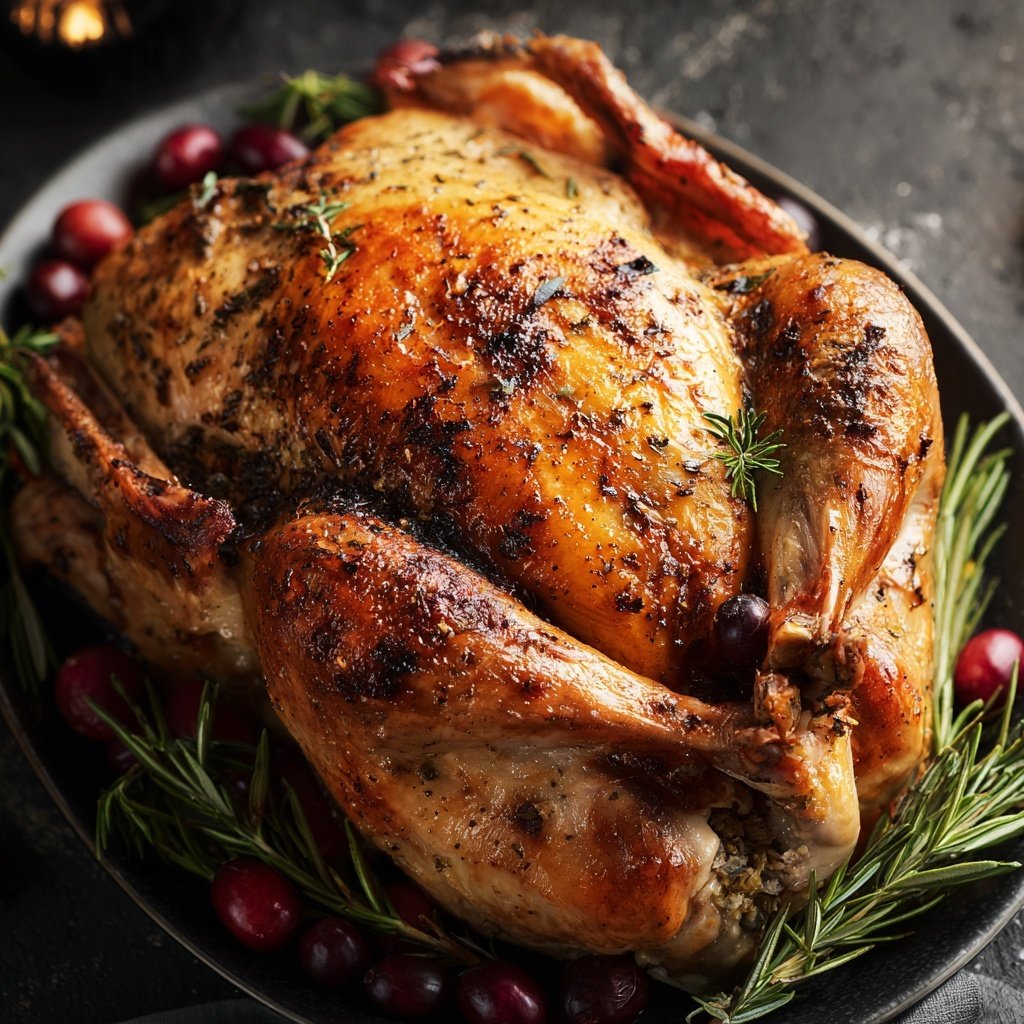
Why You'll Love This Recipe
- Aromatic herb blend that fills the kitchen with warmth
- Juicy, flavorful turkey with a savory stuffing
- Perfect centerpiece for a festive holiday gathering
The Importance of Herbs in Your Stuffing
Herbs play a crucial role in infusing flavor into the turkey as it roasts. The mixture of fresh parsley, sage, thyme, and rosemary creates a savory profile that complements the natural richness of the turkey. Each herb brings its unique characteristics—sage adds earthiness, thyme contributes a subtle floral note, and rosemary offers a pine-like essence. Together, they form a harmonious blend that elevates the dish from ordinary to extraordinary. Be sure to use fresh herbs if possible, as they have a more vibrant flavor compared to dried alternatives.
When making your stuffing, consider the balance of these herbs. If you prefer a more robust flavor, you might increase the amounts of sage and rosemary slightly. Just be careful not to overpower the stuffing; a little goes a long way. If fresh herbs aren't available, you can substitute dried herbs, but reduce the quantity by about one-third, as dried herbs are more concentrated in flavor.
Perfecting Your Turkey Roast
Roasting a turkey at the right temperature is vital to achieving both a beautifully browned exterior and a succulent interior. By starting at 325°F (165°C), you ensure even cooking without drying out the meat. Make sure to position the turkey breast-side up on a roasting rack; this allows the heat to circulate and cook the turkey evenly. If you notice the breast skin browning too quickly, tent it with aluminum foil after a few hours to prevent it from burning while the rest of the turkey cooks through.
Using a meat thermometer is essential for properly cooking your turkey. Insert it into the thickest part of the thigh without touching bone, and look for an internal temperature of 165°F (75°C). This ensures the turkey is juicy and safe to eat. After roasting, allow the turkey to rest before carving; this step redistributes the juices throughout the meat, resulting in a more tender and flavorful slice.
Tips for Serving and Storage
Once your turkey has rested, it's time to carve and serve! I recommend using a sharp carving knife for smooth cuts. Start with the breast, slicing along the breastbone, then move to the thighs and drumsticks. Arrange your succulent slices on a platter, and don’t forget the stuffing! It’s a delicious side dish that can be served alongside classic Thanksgiving accompaniments like cranberry sauce and gravy.
If you’re preparing this turkey a day in advance, not only will the flavors deepen, but it also saves you time on the big day. Cook your turkey, allow it to cool, then refrigerate it whole. When ready to serve, simply reheat it covered in aluminum foil at a low temperature (around 325°F/165°C) until warmed through. Make sure to keep any leftovers in an airtight container in the fridge for up to four days, or freeze any unused portions for a delicious meal later on.
Ingredients
Turkey and Stuffing
- 1 (14-16 pound) whole turkey, thawed
- 2 cups bread crumbs
- 1 cup diced onion
- 1 cup diced celery
- 1/2 cup unsalted butter, melted
- 1/4 cup fresh parsley, chopped
- 2 tablespoons fresh sage, chopped
- 2 tablespoons fresh thyme, chopped
- 1 tablespoon fresh rosemary, chopped
- 1 teaspoon salt
- 1/2 teaspoon black pepper
- 1/2 cup chicken broth
- Zest of 1 lemon
- Zest of 1 orange
Instructions
Preparation Steps
Prepare the Turkey
Preheat your oven to 325°F (165°C). Remove the turkey giblets and pat the turkey dry with paper towels. Rub the skin with salt and pepper, and set aside.
Make the Stuffing
In a large skillet, melt the butter over medium heat. Add the onion and celery, cooking until softened. Remove from heat and combine with bread crumbs, fresh herbs, lemon and orange zest, and chicken broth. Mix well.
Stuff the Turkey
Stuff the cavity of the turkey with the prepared stuffing. Do not overpack; allow the stuffing to cook evenly. Secure the opening with kitchen twine.
Roast the Turkey
Place the turkey on a roasting rack in a large pan. Roast in the preheated oven for about 3-4 hours, basting occasionally with pan juices. Use a meat thermometer to check that the internal temperature reaches 165°F (75°C).
Rest and Serve
Once cooked, remove the turkey from the oven and let it rest for 20-30 minutes before carving. Serve with your favorite sides and enjoy!
Tips for Success
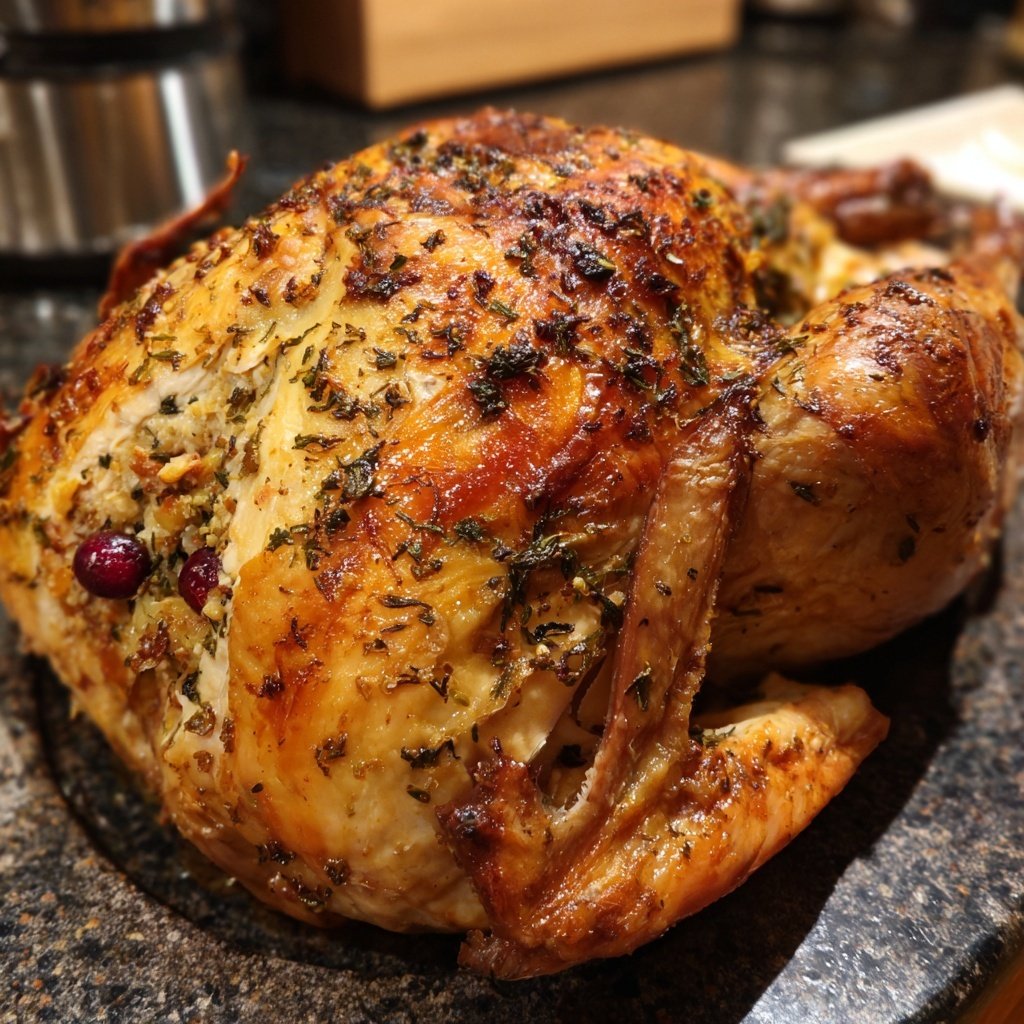
Pro Tips
- Always remember to let your turkey rest after roasting
- this allows the juices to redistribute, ensuring a moist and flavorful turkey. Keep an eye on the internal temperature to avoid overcooking.
Ingredient Fun Facts
Using citrus zest in your stuffing not only enhances flavor but also adds a freshness that brightens the rich turkey. The zest from lemon and orange gives a subtle tang, which cuts through the savory elements, making each bite more complex and enjoyable. Zesting is easy; just be sure to only take the colorful outer peel and not the bitter white pith underneath.
Opting for butter in your stuffing serves a dual purpose—it adds moisture and richness while allowing for browning and flavor development during cooking. If you're looking for a lighter alternative, consider using olive oil, which can impart a slightly different flavor while still providing the necessary fat content for a cohesive stuffing mixture.
Variations to Consider
If you're feeling adventurous with your herb stuffed turkey, consider customizing your stuffing for added depth. Incorporating nuts like walnuts or pecans provides a delightful crunch, and dried fruits such as cranberries or apricots introduce sweetness that pairs wonderfully with savory flavors. Just keep in mind to adjust the liquid content slightly if you add more solid ingredients to ensure the stuffing cooks evenly.
Another variation is to experiment with different types of bread for the stuffing. While classic bread crumbs work beautifully, using cornbread or a hearty whole grain bread can impart unique textures and flavors. If using a moist bread like cornbread, reduce the broth slightly to avoid overly wet stuffing.
Troubleshooting Common Issues
If your turkey is browning too quickly while roasting, try lowering the oven temperature by 25°F (about 15°C). This will allow the turkey to cook through more slowly, ensuring the meat remains juicy without the skin burning.
For those moments when your stuffing comes out too dry, next time consider adding an extra splash of chicken broth just before stuffing it into the turkey. It should be moist but not soggy; a good rule of thumb is to aim for a texture like damp sand. If you find yourself with leftover dry stuffing, a sprinkle of broth when reheating can revive its moisture.
Questions About Recipes
→ Can I use frozen turkey?
Yes, just make sure to thaw it completely in the refrigerator before preparation.
→ What can I use instead of fresh herbs?
You can use dried herbs, but reduce the quantities to about one-third, as dried herbs are more potent.
→ How can I ensure my turkey is moist?
Brining the turkey the night before cooking will significantly enhance its moisture and flavor.
→ Can I make the stuffing ahead?
Yes, you can prepare the stuffing a day in advance and refrigerate it until ready to use.
Seasonal & Festive Thanksgiving Herb Stuffed Turkey
Created by: Blair Hudson
Recipe Type: Festive Comfort Classics
Skill Level: Intermediate
Final Quantity: 8 servings
What You'll Need
Turkey and Stuffing
- 1 (14-16 pound) whole turkey, thawed
- 2 cups bread crumbs
- 1 cup diced onion
- 1 cup diced celery
- 1/2 cup unsalted butter, melted
- 1/4 cup fresh parsley, chopped
- 2 tablespoons fresh sage, chopped
- 2 tablespoons fresh thyme, chopped
- 1 tablespoon fresh rosemary, chopped
- 1 teaspoon salt
- 1/2 teaspoon black pepper
- 1/2 cup chicken broth
- Zest of 1 lemon
- Zest of 1 orange
How-To Steps
Preheat your oven to 325°F (165°C). Remove the turkey giblets and pat the turkey dry with paper towels. Rub the skin with salt and pepper, and set aside.
In a large skillet, melt the butter over medium heat. Add the onion and celery, cooking until softened. Remove from heat and combine with bread crumbs, fresh herbs, lemon and orange zest, and chicken broth. Mix well.
Stuff the cavity of the turkey with the prepared stuffing. Do not overpack; allow the stuffing to cook evenly. Secure the opening with kitchen twine.
Place the turkey on a roasting rack in a large pan. Roast in the preheated oven for about 3-4 hours, basting occasionally with pan juices. Use a meat thermometer to check that the internal temperature reaches 165°F (75°C).
Once cooked, remove the turkey from the oven and let it rest for 20-30 minutes before carving. Serve with your favorite sides and enjoy!
Extra Tips
- Always remember to let your turkey rest after roasting
- this allows the juices to redistribute, ensuring a moist and flavorful turkey. Keep an eye on the internal temperature to avoid overcooking.
Nutritional Breakdown (Per Serving)
- Calories: 350 kcal
- Total Fat: 16g
- Saturated Fat: 6g
- Cholesterol: 100mg
- Sodium: 550mg
- Total Carbohydrates: 25g
- Dietary Fiber: 2g
- Sugars: 2g
- Protein: 30g