Global Flavors Japanese Teriyaki Salmon
Highlighted under: Global Food Stories
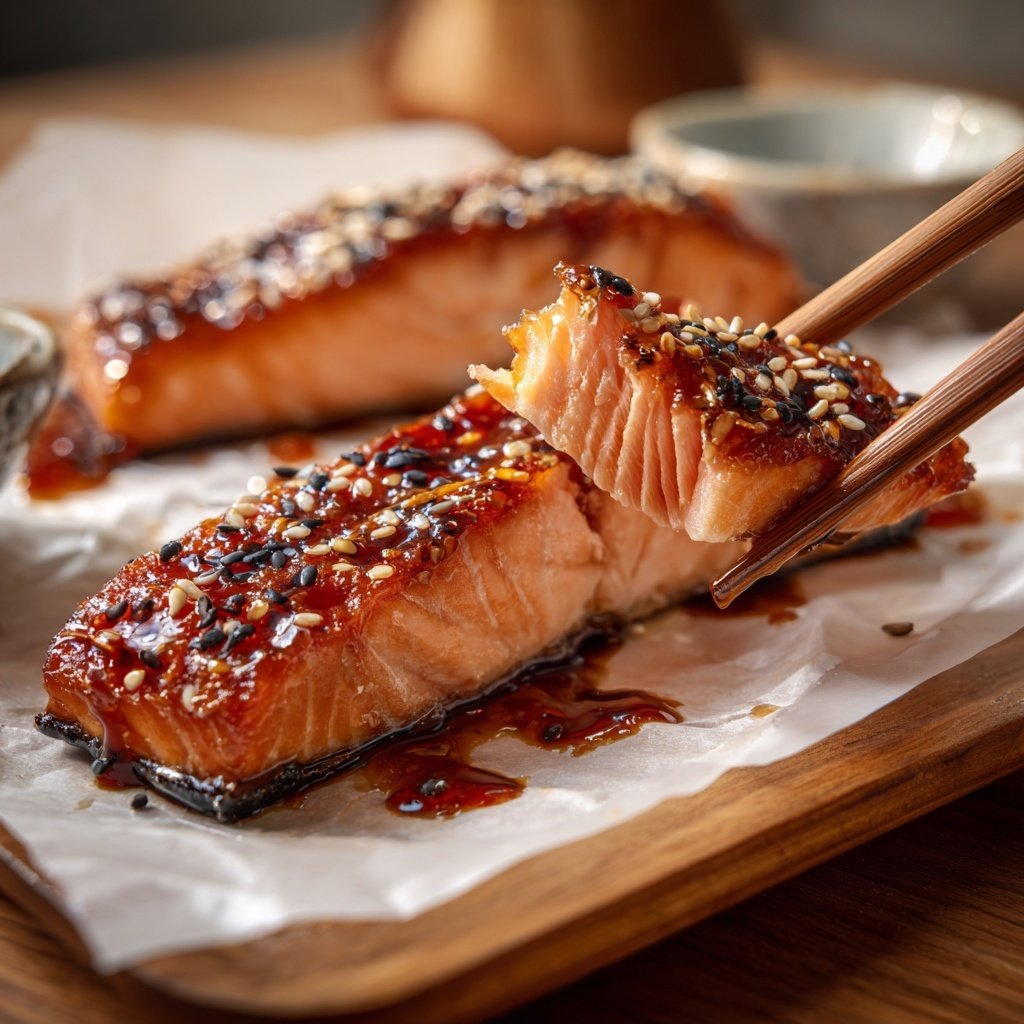
I absolutely love making Japanese teriyaki salmon at home; it’s one of my go-to recipes for a quick yet flavorful meal. The combination of sweet and savory flavors in the teriyaki sauce really enhances the rich taste of the salmon. I've perfected this recipe over time, and the simplicity gives me the opportunity to experiment with different sides and garnishes. Plus, the cooking method ensures that the salmon remains tender and moist while developing a beautiful glazed exterior.
When I first tried making teriyaki salmon, I was amazed at how easy it was to create such a delicious dish. The key is to marinate the salmon long enough for the flavors to penetrate while keeping it juicy during cooking. I’ve found that preparing the sauce from scratch really elevates this dish.
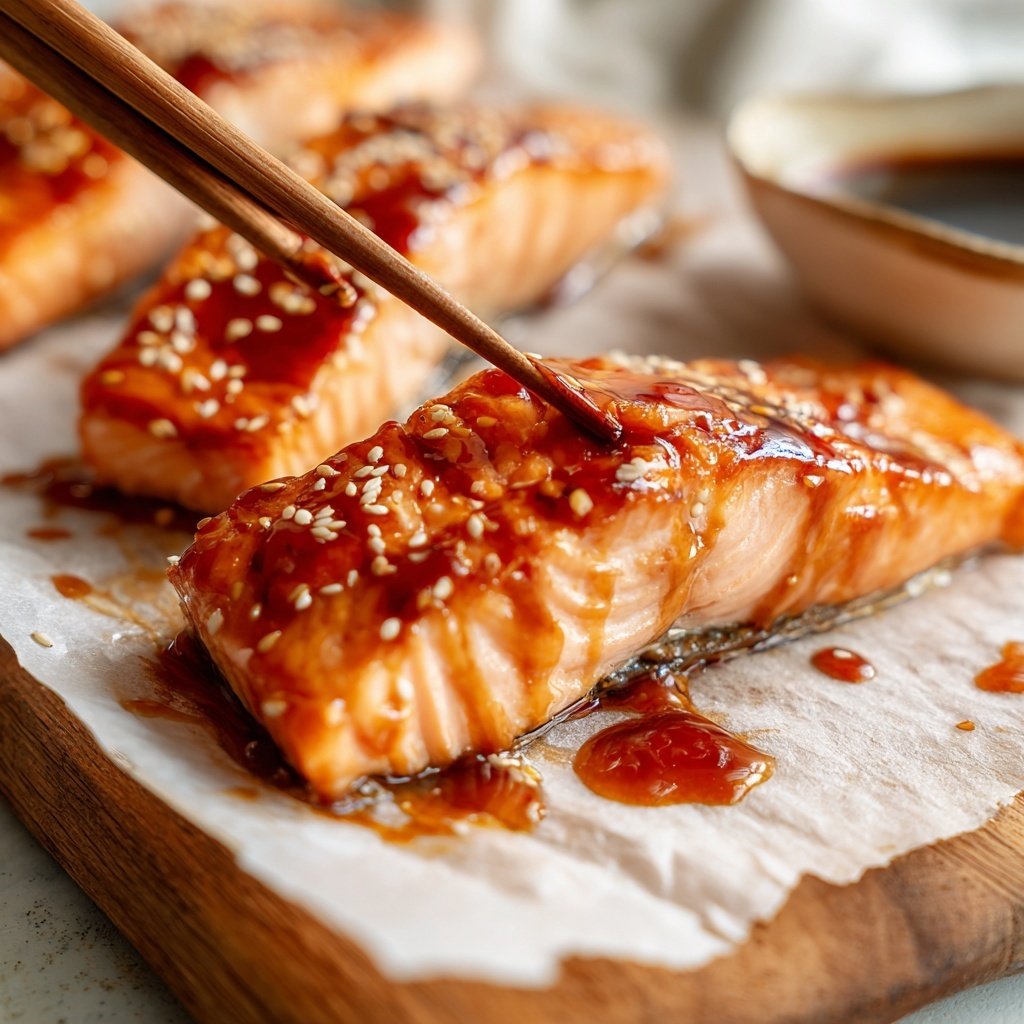
Using fresh ingredients not only enhances the taste but also makes the cooking process enjoyable. One tip I’ve learned is to glaze the salmon with the sauce in the final moments of cooking to achieve that beautiful, sticky finish that makes this dish so irresistible.
Why You'll Love This Recipe
- Sweet and savory teriyaki sauce that complements the salmon perfectly
- Perfectly glazed and tender salmon with a beautiful caramelized finish
- Quick to prepare, great for weeknight dinners or special occasions
The Art of Teriyaki Sauce
Creating the perfect teriyaki sauce can truly elevate your salmon dish. The balance between soy sauce and brown sugar is crucial; the umami flavor from the soy complements the sweetness of the sugar, creating a glossy finish on the salmon. When simmering, keep a close eye on the sauce; you want it to thicken slightly without becoming overly syrupy. A slight reduction can help intensify the flavor, so it might be useful to taste as you go.
For a deeper flavor profile, consider adding a splash of mirin or even a bit of sesame oil to your teriyaki sauce. These ingredients add complexity and richness and can vary your sauce’s character. If you're looking for gluten-free options, tamari can be a wonderful substitute for soy sauce, maintaining the flavor while adhering to dietary needs. Don’t hesitate to play with the ingredient ratios based on your taste preferences, especially with the honey and ginger, to make the sauce uniquely yours.
Perfecting the Salmon Cook
The cooking method for the salmon is vital to achieving that desirable tender, flaky texture. I recommend using a non-stick skillet, which allows for easy flipping and reduces the chances of sticking. Heat the oil over medium-high until it's shimmering but not smoking; this ensures a perfect sear. The skin should be crispy, which adds a delightful contrast to the tender flesh. If you find the skin isn't crisping up, ensure that the skillet is adequately preheated before adding the salmon.
After flipping, reducing the heat to medium allows the inside of the salmon to cook through more gently, preventing dryness. Keep an eye on the salmon's color; when it becomes opaque and flakes easily with a fork, it's ready. For particularly thick fillets, you may need a few extra minutes; use a meat thermometer to check for doneness, aiming for about 145°F (63°C) in the thickest part of the fish.
Garnishing and Serving Ideas
The final touches on your teriyaki salmon can truly elevate the dish. Garnishing with sesame seeds adds a nice crunch and nutty flavor that perfectly complements the glaze. Chopped green onions not only add a pop of color but also provide a fresh oniony contrast that cuts through the richness of the salmon. For those who enjoy a bit of spice, consider adding a sprinkle of red chili flakes or some sliced fresh chili on top for a kick.
Pair the teriyaki salmon with sides that enhance its flavors, such as steamed jasmine rice or sautéed bok choy. You could also serve it with a refreshing cucumber salad to balance the meal. This recipe also adapts well for meal prep; consider cooking extra salmon and teriyaki sauce to have ready for quick lunches throughout the week. Just reheat gently in the microwave to avoid drying out the fish.
Ingredients
Gather the following ingredients to prepare this delicious dish.
For the Teriyaki Sauce
- 1/4 cup soy sauce
- 1/4 cup brown sugar
- 2 tablespoons rice vinegar
- 1 tablespoon honey
- 1 clove garlic, minced
- 1 teaspoon grated fresh ginger
For the Salmon
- 4 salmon fillets
- 1 tablespoon vegetable oil
- Sesame seeds for garnish
- Chopped green onions for garnish
With all your ingredients ready, you’re set to create a delicious meal!
Instructions
Follow these steps to make your teriyaki salmon.
Prepare the Teriyaki Sauce
In a small saucepan, combine the soy sauce, brown sugar, rice vinegar, honey, garlic, and ginger. Heat over medium heat until the sugar is dissolved, then let it simmer for about 5 minutes until slightly thickened.
Marinate the Salmon
Place the salmon fillets in a shallow dish and pour half of the teriyaki sauce over them. Marinate for at least 10 minutes, turning halfway through.
Cook the Salmon
Heat the vegetable oil in a skillet over medium-high heat. Remove the salmon from the marinade (discarding the marinade) and place the fillets skin side down in the skillet. Cook for about 4-5 minutes, then flip and cook for another 3-4 minutes until the salmon is cooked through.
Glaze and Serve
In the last minute of cooking, brush the remaining teriyaki sauce over the salmon. Once done, remove from the heat and transfer to a serving plate. Garnish with sesame seeds and chopped green onions.
Enjoy your homemade teriyaki salmon with your favorite sides!
Pro Tips
- For an extra layer of flavor, try adding a splash of sake to the teriyaki sauce while cooking. It brings a wonderful depth to the glaze.
Ingredient Substitutions
When it comes to making teriyaki salmon, ingredient substitutions can make the dish more accessible or accommodate dietary restrictions. If you're out of brown sugar, coconut sugar or agave syrup works as a great alternative and will provide a slightly different flavor with the same sweetness. For a lower-sodium option, try using low-sodium soy sauce while maintaining the same balance of savory and sweet.
If you're looking to reduce sugar altogether, consider using a sugar-free alternative like erythritol or monk fruit sweetener in the teriyaki sauce. These substitutes can mimic the original sweetness without the calories, making this dish keto-friendly. Just keep in mind that some sugar substitutes may not caramelize the same way, so monitor the sauce closely while cooking.
Make-Ahead Tips
This teriyaki salmon is great to prep ahead of time, making it perfect for busy days. The teriyaki sauce can be made in advance and stored in the refrigerator for up to a week. This way, when you're ready to cook, all you need to do is marinate the salmon and it only takes a few minutes to cook when dinnertime rolls around.
You can also marinate the salmon fillets the night before, allowing the flavors to fully penetrate the fish overnight. Just be careful not to marinate for too long—over marinating can lead to a mushy texture, especially with the acidity of the rice vinegar. A maximum of 24 hours is perfect for optimal flavor infusion without compromising texture.
Troubleshooting Common Issues
If your teriyaki sauce ends up too thick, simply whisk in a tablespoon of water to loosen it up. Alternatively, if it’s too thin, allow it to simmer for a few more minutes to reduce it further until you reach the desired consistency. When it comes to cooking the salmon, if you find that it’s overcooked and dry, this could be due to high heat or cooking too long; remember to adjust your timing according to the thickness of the fillets.
For those who enjoy a deeper glaze, you can add an extra brush of teriyaki sauce right before serving, ensuring it's not too thick. If the salmon is falling apart while you flip it, it may be a sign that it's not ready to turn. Allow it to cook longer on the skin side until it easily releases itself from the skillet. Patience is key to achieving that beautiful caramelized exterior!
Questions About Recipes
→ Can I use other types of fish?
Yes, you can substitute salmon with tuna, trout, or even chicken for a new variation of this dish.
→ Is this recipe suitable for meal prep?
Absolutely! You can marinate and cook the salmon in advance, then store it in the fridge for up to 3 days.
→ What can I serve with teriyaki salmon?
It pairs well with steamed rice, stir-fried vegetables, or a fresh salad to balance the flavors.
→ Can I make the teriyaki sauce ahead of time?
Yes, you can prepare the teriyaki sauce in advance and keep it in the fridge for up to a week.
Global Flavors Japanese Teriyaki Salmon
Created by: Blair Hudson
Recipe Type: Global Food Stories
Skill Level: Easy
Final Quantity: 4 servings
What You'll Need
For the Teriyaki Sauce
- 1/4 cup soy sauce
- 1/4 cup brown sugar
- 2 tablespoons rice vinegar
- 1 tablespoon honey
- 1 clove garlic, minced
- 1 teaspoon grated fresh ginger
For the Salmon
- 4 salmon fillets
- 1 tablespoon vegetable oil
- Sesame seeds for garnish
- Chopped green onions for garnish
How-To Steps
In a small saucepan, combine the soy sauce, brown sugar, rice vinegar, honey, garlic, and ginger. Heat over medium heat until the sugar is dissolved, then let it simmer for about 5 minutes until slightly thickened.
Place the salmon fillets in a shallow dish and pour half of the teriyaki sauce over them. Marinate for at least 10 minutes, turning halfway through.
Heat the vegetable oil in a skillet over medium-high heat. Remove the salmon from the marinade (discarding the marinade) and place the fillets skin side down in the skillet. Cook for about 4-5 minutes, then flip and cook for another 3-4 minutes until the salmon is cooked through.
In the last minute of cooking, brush the remaining teriyaki sauce over the salmon. Once done, remove from the heat and transfer to a serving plate. Garnish with sesame seeds and chopped green onions.
Extra Tips
- For an extra layer of flavor, try adding a splash of sake to the teriyaki sauce while cooking. It brings a wonderful depth to the glaze.
Nutritional Breakdown (Per Serving)
- Calories: 350 kcal
- Total Fat: 18g
- Saturated Fat: 4g
- Cholesterol: 65mg
- Sodium: 720mg
- Total Carbohydrates: 18g
- Dietary Fiber: 1g
- Sugars: 9g
- Protein: 34g